


Mục lục
ToggleInvestor Relations is evolving
In many companies, Investor Relations (IR) has traditionally been viewed as a function focused on serving shareholders through corporate disclosures, investor meetings, and capital-raising activities. However, as capital markets continue to evolve, the scope of Investor Relations is expanding beyond equity investors to include providers of debt capital, particularly bondholders.
For bondholders, investment decisions are driven not only by interest rates or collateral but also by confidence that the company will manage capital transparently, maintain effective risk management, and honor its commitments throughout the life of the bond. Protecting bondholders’ rights, therefore, is not merely about meeting repayment obligations at maturity – it is an integral part of an effective Investor Relations strategy.
This approach is also consistent with the spirit of the G20/OECD Principles of Corporate Governance (2023). The OECD emphasizes that corporate governance should contribute to transparent, efficient, and trustworthy capital markets through high-quality disclosure, accountability, and effective oversight by the Board of Directors (BoD).
In this context, Investor Relations is more than a communication function. It serves as a mechanism for reducing information asymmetry, strengthening the confidence of capital providers, and enhancing a company’s long-term access to capital markets.
Why is protecting bondholders’ rights part of an Investor Relations strategy?
Many companies only begin communicating actively with bondholders when they encounter cash flow difficulties or need bondholder approval to amend repayment terms. From a corporate governance perspective, however, that stage is often too late.
In reality, most risks faced by bondholders do not emerge when bonds mature. They originate much earlier, when a company determines its capital structure, employs financial leverage, allocates proceeds from bond issuances, and manages cash flows. These decisions directly affect the company’s future debt-servicing capacity and are precisely the issues that investors expect to be informed about throughout the bond’s life cycle.
For this reason, Investor Relations should go beyond statutory disclosure requirements and become an ongoing dialogue with capital providers. For bondholders, the value of Investor Relations lies not in the number of reports published but in the company’s ability to help investors understand its operating performance, identify material risks early, and assess how management responds to changes in the business environment.
From this perspective, protecting bondholders’ rights is not a standalone activity. Rather, it is the outcome of an effective Investor Relations strategy built on three fundamental pillars: transparency, accountability, and continuous engagement.
The Board determines the quality of Investor Relations
A common misconception is that Investor Relations is solely the responsibility of the IR team or the corporate communications function. In reality, the quality of Investor Relations is fundamentally determined by the quality of corporate governance.
According to the G20/OECD Principles of Corporate Governance (2023), the Board of Directors is responsible not only for approving significant financial decisions but also for overseeing risk management, internal control systems, and the integrity of market disclosures. This responsibility is particularly important for bond issuers, where decisions regarding the use of proceeds, cash flow management, and debt restructuring can directly affect bondholders’ interests.
In other words, Investor Relations can only build lasting trust when a company’s disclosures accurately reflect the performance of an effective governance system. If the Board fails to oversee capital allocation, risk management, and the quality of disclosed information, Investor Relations becomes little more than a communication exercise rather than a mechanism for strengthening confidence in the capital market.
Investor Relations should begin before Bond Issuance
In practice, many companies still view Investor Relations (IR) primarily as a function that supports capital raising. Once a bond issuance is completed, communication with bondholders is often limited to periodic disclosures or situations where the company seeks consent to amend repayment terms.
While this approach may satisfy regulatory compliance requirements, it falls short of the expectations of today’s capital markets.
For bondholders, the investment decision does not end when the bonds are issued. Throughout the life of the investment, they continue to monitor the company’s cash flow generation, the use of proceeds, risks that could affect its debt-servicing capacity, and management’s response to changing market conditions. When such information is not disclosed in a timely and transparent manner, uncertainty increases, leading to declining investor confidence and potentially reducing the company’s future access to capital.

For this reason, Investor Relations should not be viewed merely as a post-issuance disclosure function, but as an ongoing engagement mechanism throughout the life cycle of a bond. The value of Investor Relations lies not in the number of reports published, but in its ability to help capital providers understand the company’s performance, assess material risks, and make well-informed investment decisions.
This is why an increasing number of companies now regard Investor Relations as an integral component of corporate governance, rather than simply a communications or capital-raising function.
Lessons from practice: Transparency and Engagement build trust in the Capital Markets
Experience from capital markets demonstrates that Investor Relations plays a role far beyond supporting fundraising. It also helps sustain the confidence of capital providers throughout the entire investment lifecycle.
Case 1: Masan Group (Vietnam’s Leading Consumer and Retail Group)
In Vietnam, Masan Group’s public disclosures indicate that the company has developed a proactive and continuous Investor Relations program. Through its dedicated Investor Relations website, Masan regularly publishes financial statements, annual reports, earnings presentations, and information relating to its financing activities.
In addition, according to Masan’s Sustainability Report, the company maintains multiple channels of engagement with investors, including Annual General Meetings (AGMs), face-to-face investor meetings, conference calls, Investor Days, and other investor communication activities. These initiatives facilitate regular dialogue with shareholders and investors while supporting timely, accurate, and transparent disclosure.
Case 2: Equinor (Norwegian Multinational Energy Company, Majority-Owned by the Norwegian Government)
Internationally, Equinor’s public disclosures demonstrate a proactive and transparent approach to Investor Relations. Through its dedicated Investor Relations website, the company provides comprehensive access to financial statements, annual reports, earnings presentations, investor materials, and dividend information.
Equinor also regularly publishes quarterly financial results, hosts Capital Markets Updates, conducts Analyst Conferences, and provides updates on its corporate strategy and energy transition initiatives. These activities enhance transparency, maintain continuous dialogue with the investment community, and help investors better understand the company’s strategy, business performance, and long-term direction.
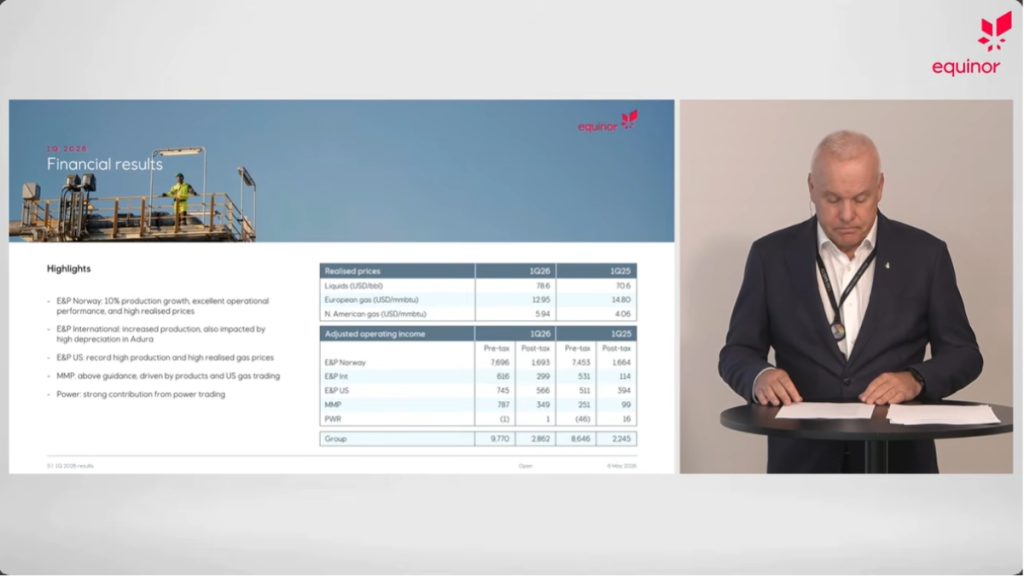
These two examples illustrate that Investor Relations extends well beyond regulatory disclosure. It serves as a mechanism for enhancing transparency, maintaining ongoing engagement with capital providers, and reducing information asymmetry in the capital markets. Together, these practices help strengthen corporate credibility and improve long-term access to capital.
Conclusion
As capital markets place increasing emphasis on transparency and accountability, Investor Relations is no longer simply a function that serves shareholders or supports fundraising. For bond issuers, it has become a strategic mechanism for maintaining dialogue with capital providers, reducing information asymmetry, and strengthening market confidence throughout the life cycle of a bond.
From this perspective, protecting bondholders’ rights is not a standalone activity but the outcome of an Investor Relations strategy built upon effective corporate governance. When the Board of Directors provides effective oversight, the company maintains transparent disclosure, and management actively engages with investors, Investor Relations not only helps protect bondholders’ interests but also enhances corporate reputation and strengthens long-term access to capital markets
CGS Vietnam: Supporting better Corporate Governance and Investor Relations
As expectations for corporate governance and capital market transparency continue to rise, companies need to progressively align with international best practices to strengthen governance and meet the expectations of capital providers.
CGS Vietnam supports companies in:
- Assessing and enhancing corporate governance systems in line with international best practices.
- Improving the quality of corporate disclosure and accountability.
- Strengthening Board oversight of risk management and capital allocation.
- Enhancing Investor Relations practices to build trust among shareholders, bondholders, and other capital providers.
This article is part of a content series on the G20/OECD Principles of Corporate Governance, developed through the professional collaboration between CGS Vietnam, the Vietnam Independent Directors Association (VNIDA) and the VNIDA Institute of Corporate Governance (VNICG). The series aims to share knowledge, assessment approaches, and practical guidance on applying corporate governance principles in business practice.
—————-
References:
About CGS Vietnam
CGS Vietnam Consulting Joint Stock Company provides specialized advisory services in Corporate Governance, Sustainability (ESG), Risk Management, and Internal Audit. Backed by a team of experienced professionals with deep expertise in international best practices, CGS Vietnam partners with businesses to strengthen corporate governance, enhance management capabilities, meet investor expectations, and achieve long-term sustainable growth.
Contact CGS Vietnam:
Hotline: (+84) 363 581 520 | Email: [email protected] | Website: https://cgsvietnam.com/
LinkedIn: https://www.linkedin.com/company/cgs-vietnam | Facebook: https://www.facebook.com/CGSVietnamCompany/